




Online shoppers cannot touch, try or smell your product. The image is the product. Whether you sell on your own website, Jumia, Kilimall, Instagram or WhatsApp catalogues, product photography in Kenya has become one of the most direct ways to increase sales without increasing ad spend.
This guide covers the main types of product photography, the technical standards marketplaces expect and how to prepare for a shoot so you get maximum value.
Why product photos make or break online sales
When a customer compares two similar products, the one with clearer, more trustworthy photos usually wins. Good images:
- Build trust: blurry or inconsistent photos make shoppers worry about counterfeits.
- Reduce returns: accurate colour and detail mean fewer surprises on delivery.
- Improve ad performance: strong visuals lower your cost per click on Meta and Google.
- Raise perceived value: premium images let you charge premium prices.
Types of product photography
White background packshots
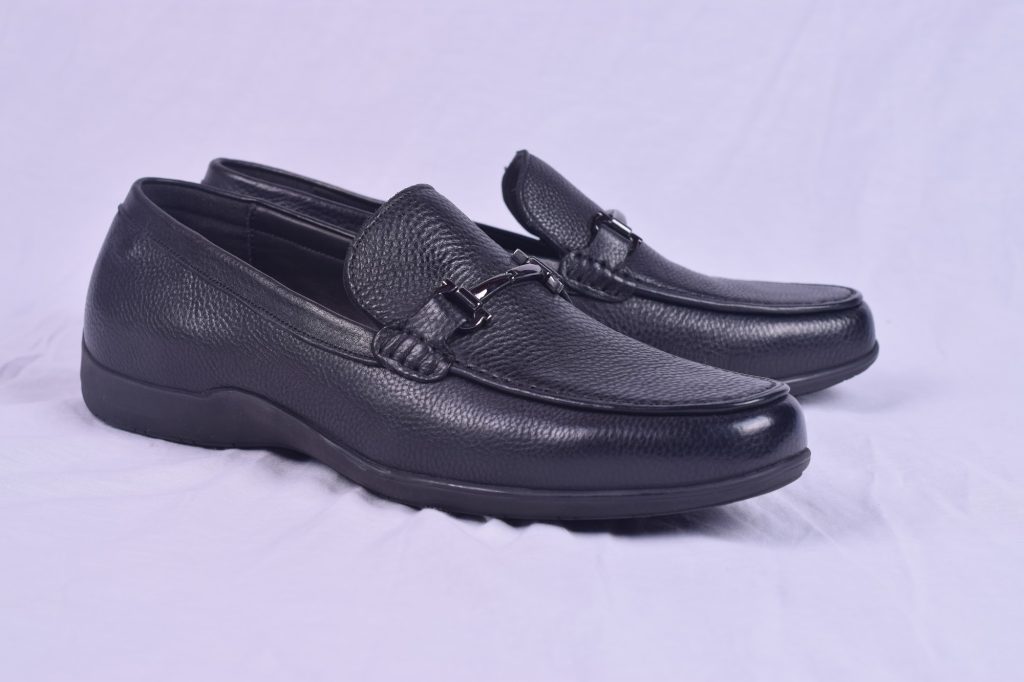
Clean images on pure white, showing the product from several angles. Required by most marketplaces and ideal for catalogues. Consistency matters: every product should be lit and framed the same way.
Lifestyle photography
Your product in use, in a real setting, often with models. A pair of leather loafers on a Nairobi street, a skincare product in a bright bathroom. Lifestyle shots help customers picture themselves using your product and perform well on social media.
Flat lays and styled shots
Products arranged from above with props that tell a story. Popular for food, beauty, fashion accessories and gift sets.
Detail and macro shots
Close-ups of stitching, texture, ingredients or features. These answer questions before customers ask them.
360-degree spins and short videos
Short product videos and spins let shoppers inspect from every angle. Even a 15-second clip can significantly lift engagement on product pages and Reels.
Technical standards to get right
- Resolution: at least 2000 pixels on the longest side so customers can zoom.
- Consistent aspect ratio: square (1:1) works for most marketplaces and Instagram; 4:5 is great for Instagram feeds.
- True colour: professional colour calibration so a maroon dress does not arrive looking red.
- File size: optimised web versions so pages load quickly on mobile data.
- File naming: descriptive names (for example black-leather-loafers-side.jpg) help your images rank in Google image search.
How to prepare for a product shoot
- Make a shot list with every SKU, the angles needed and which products need lifestyle images.
- Send clean, perfect samples: remove stickers, iron fabric, polish surfaces. Retouching is possible but prevention is cheaper.
- Share brand guidelines and reference images you like.
- Decide on platforms so images are shot in the right formats from the start.
- Plan variants: colours and sizes can often be shot efficiently in sequence.
DIY versus professional product photography
Phone cameras are impressive, and DIY works for testing products. But as your catalogue grows, inconsistency becomes a problem: different lighting, backgrounds and colours make your store look unprofessional. A professional studio delivers consistent, retouched images in one session, which often costs less than the sales you lose with weak photos.
Making the most of every image
Once you have professional images, use them everywhere: product pages, Google Shopping, Meta catalogues, WhatsApp Business, email newsletters and print. Add descriptive alt text to every image on your website for accessibility and SEO.
Pair your stills with social media video content and you will have a full content library from a single shoot day. See our product photography service for details.
Conclusion
In a crowded online market, your photos are your shop window. Investing in professional product photography in Kenya is one of the fastest ways to build trust, stand out and convert browsers into buyers.
Frequently asked questions
How many products can you shoot in a day?
It depends on complexity. Simple white-background packshots can run to dozens of products per day, while styled lifestyle shots take longer per product.
Do you provide models and props?
Yes. We can source models, stylists and props for lifestyle shoots.
Will the images meet Jumia and Amazon requirements?
Yes. Tell us the platforms you sell on and we will deliver images to their specifications.
Can you also make product videos?
Yes. Short product videos and Reels can be shot on the same day.
Make your products impossible to scroll past
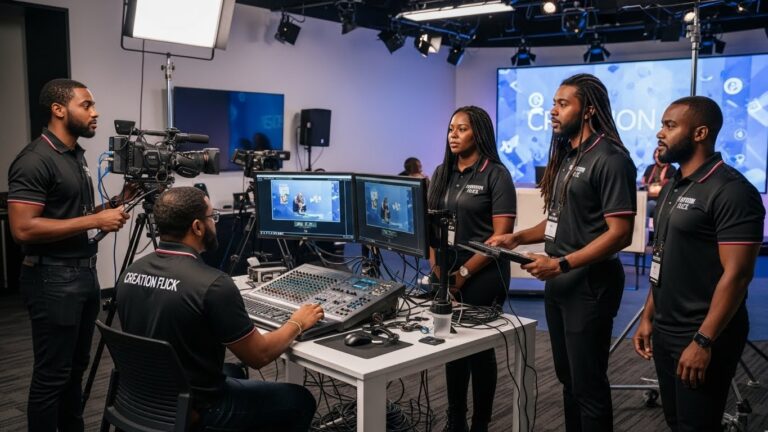
Creation Flick shoots clean e-commerce packshots, lifestyle images and short product videos for brands across Kenya. Send us your product list for a fast quote.