“How much does a video cost?” is the first question most organisations ask, and the honest answer is that it depends on what you need. Quotes for video production in Kenya can vary widely for projects that sound similar. Understanding what drives cost helps you compare quotes fairly and spend where it matters.
The main cost drivers
1. Pre-production
Concept development, scripting, storyboards, location scouting and permits. More planning usually means a smoother, cheaper shoot.
2. Crew size
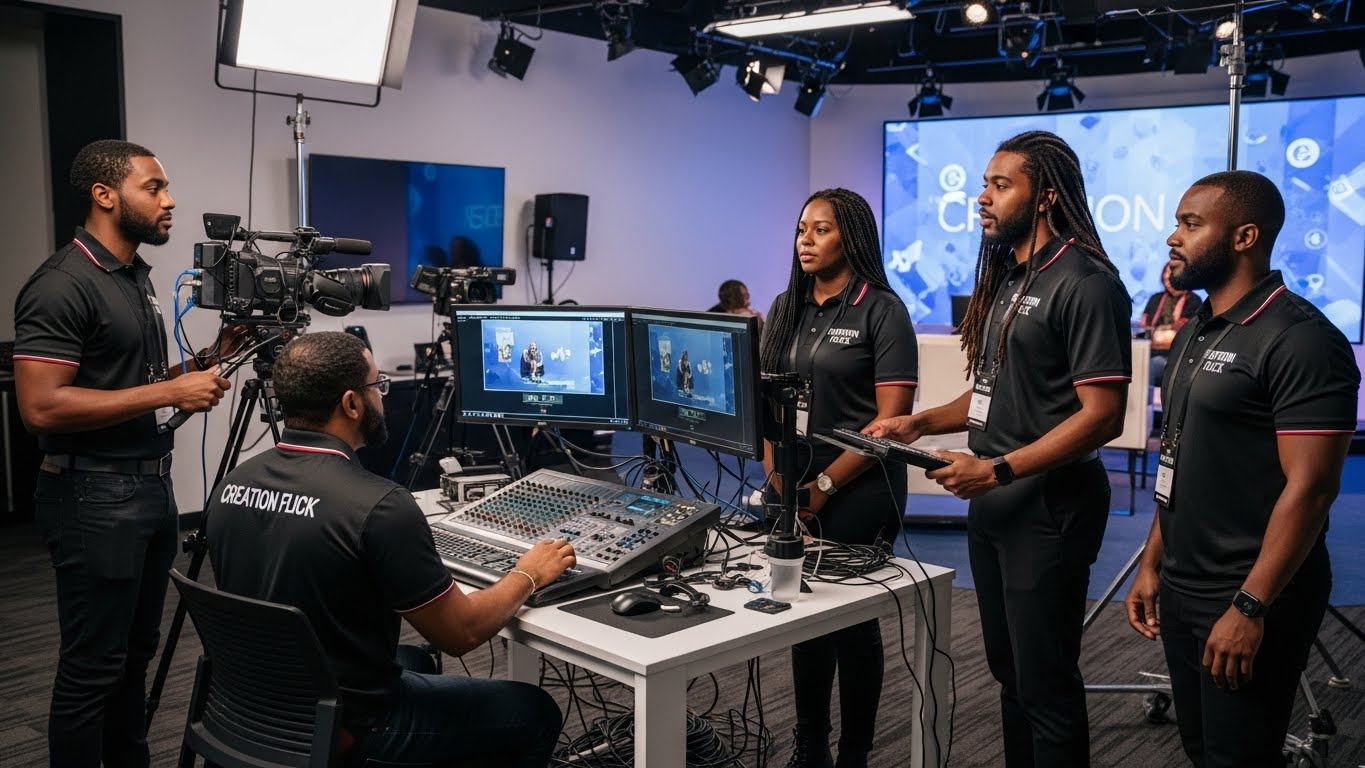
A single shooter costs less than a team with a director, camera operators, a sound recordist and a lighting technician. Bigger productions need bigger crews.
3. Shoot days and locations
Each additional day, location or town adds crew time, transport and accommodation.
4. Equipment
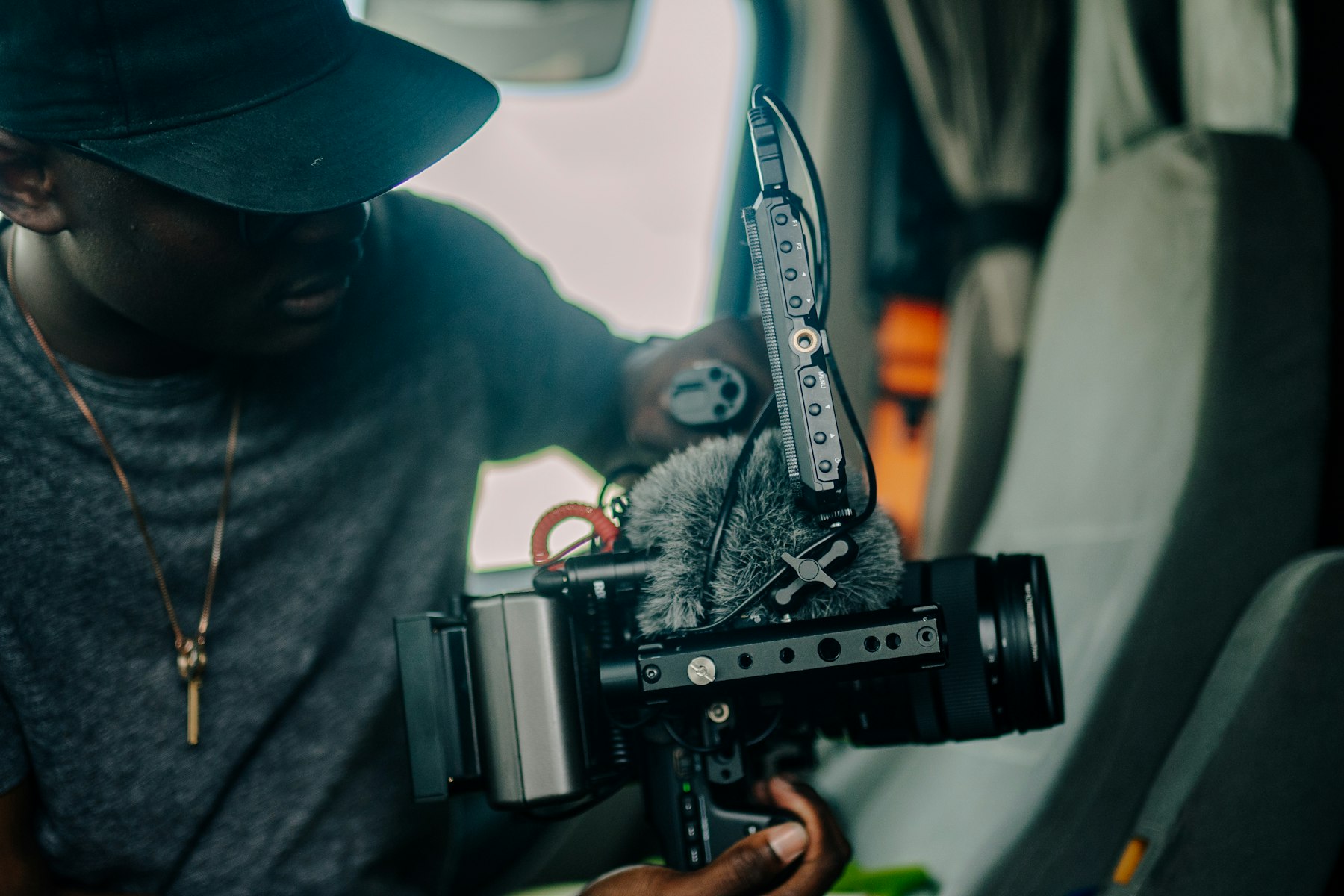
Cinema cameras, lighting, gimbals, drones and multi-camera streaming kits each add to the budget.
5. Talent and locations
Actors, presenters, voiceover artists and location fees are separate from crew costs.
6. Post-production
Editing time, colour grading, sound design, motion graphics, subtitles and the number of versions you need.
7. Usage and distribution
Broadcast commercials and paid campaigns often involve more versions and rights considerations than an internal video.
Ways to get more value
- Bundle photography and video on the same shoot day.
- Batch content so one day produces several videos and social clips.
- Give a clear brief to reduce revision rounds.
- Plan cut-downs upfront so they are shot for, not improvised.
- Use one full-service agency to avoid paying several vendors’ overheads. Read what a 360° production agency does.
Comparing quotes fairly
Check that quotes cover the same crew size, number of days, deliverables, revision rounds and usage. A low quote with fewer deliverables is not cheaper.
See our pricing
Creation Flick publishes clear package information on our video production pricing page. For a tailored quote, tell us about your project.